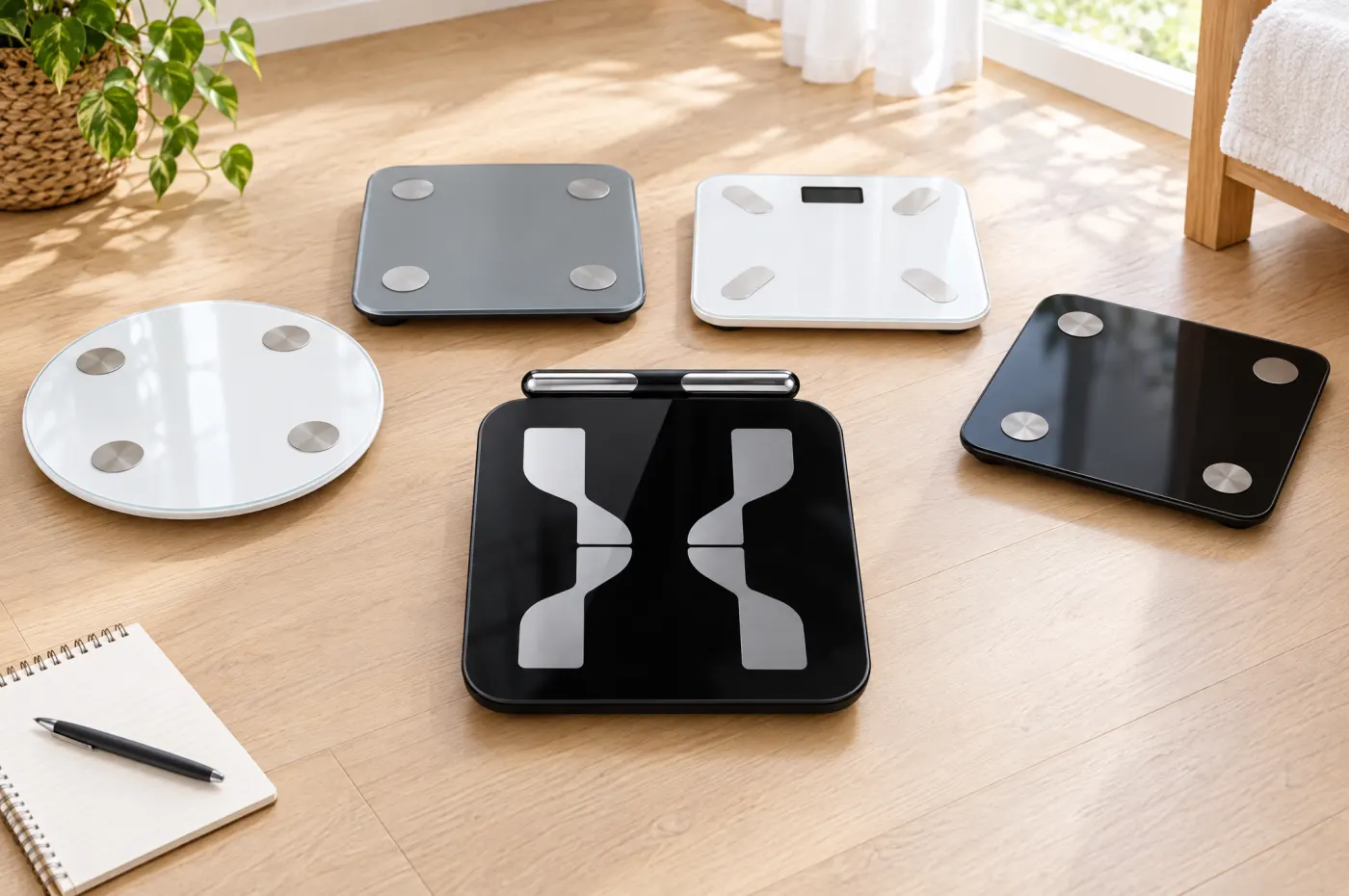
Every scale on this list uses bioelectrical impedance, or BIA. It sends a tiny, painless current through your body and measures how easily it travels. Water-rich muscle conducts it well; fat resists it. From that, the scale estimates how much of you is muscle, fat and water.
Where the current goes matters. Feet-only scales send it up one leg and down the other, so they mostly measure your lower body and estimate the rest. Scales with handles complete the circuit through your arms, which lets them report each arm, each leg and your trunk separately.
Frequency matters too. Testing at several frequencies helps separate water inside your cells from water outside them, which makes readings steadier. That's why the handle-based scales here list their frequencies, and why we scored them higher on measurement.
Whatever you buy, BIA readings shift with hydration, meals and time of day. Weigh in at the same time each morning and watch the trend.
Six things that separate a useful scale from a fancy way to weigh yourself.
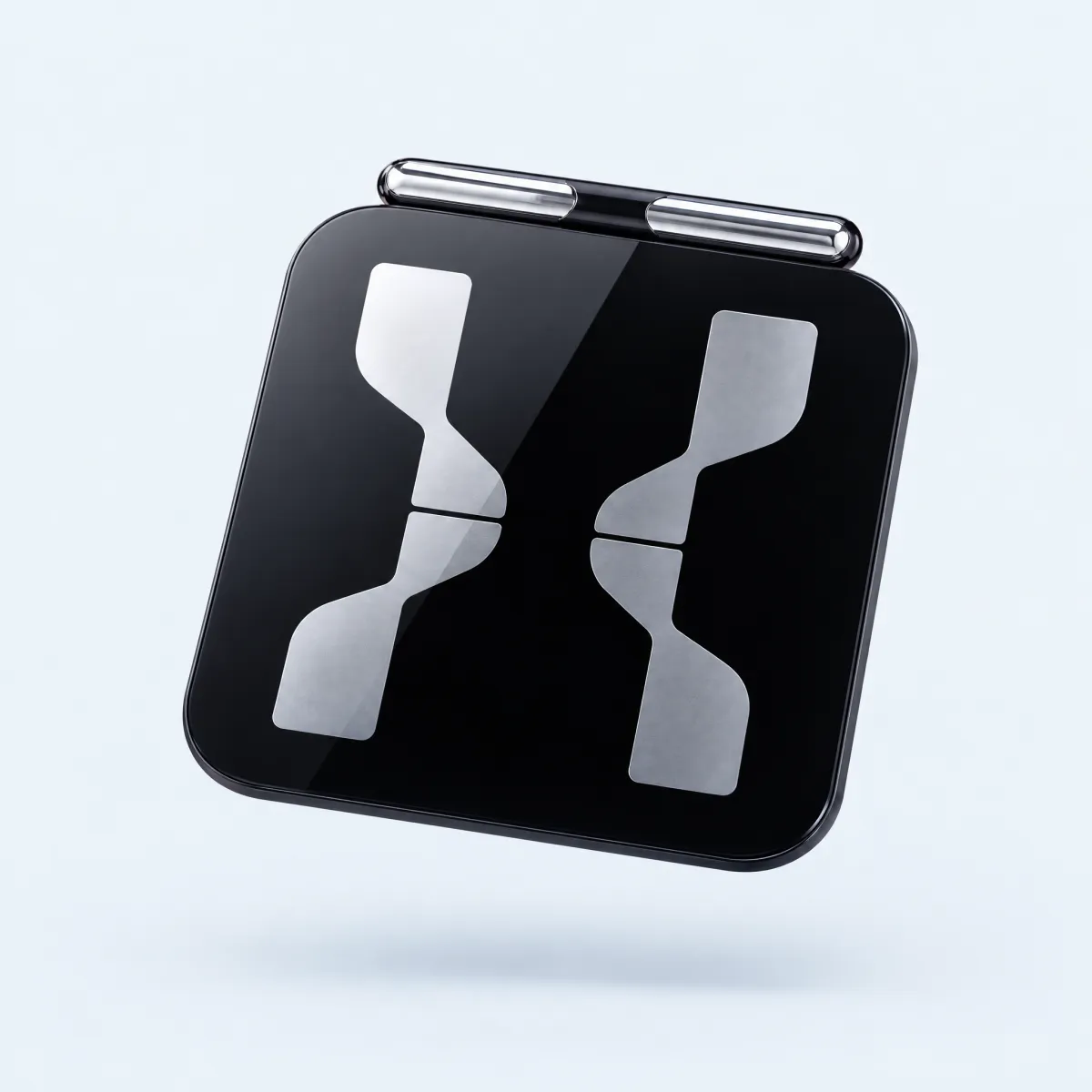
Handles, not just footpads
Hand electrodes let the scale read your arms and torso directly. Without them, upper-body numbers are estimates.
Segmental readings
Separate numbers for each arm, each leg and your trunk show imbalances and where muscle is changing.
Multi-frequency sensing
Scales that test at several frequencies can separate water inside and outside your cells, which makes readings more stable.
No paywall on the basics
Check what the free app shows. Some brands put key scores behind a monthly subscription.
Syncing that works
Apple Health and Google Fit support keeps your data in one place. Read reviews for sync complaints.
A real return window
Body composition takes a few weeks to show trends. A 30 to 45-day return policy gives you time to judge it.

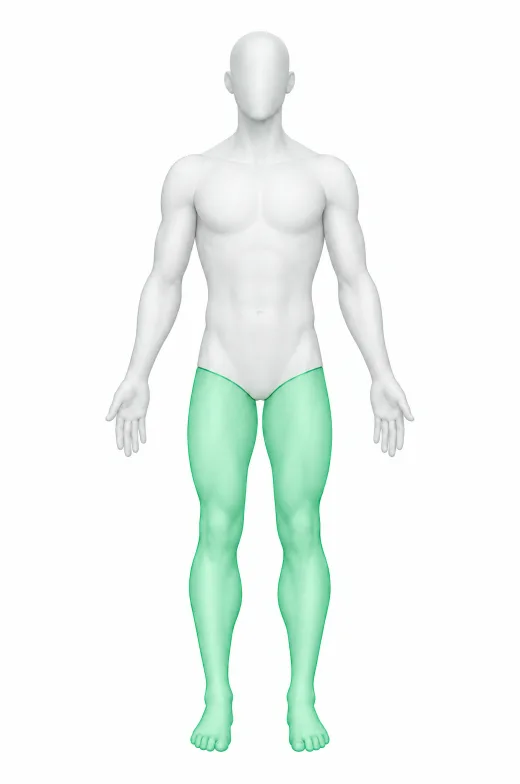
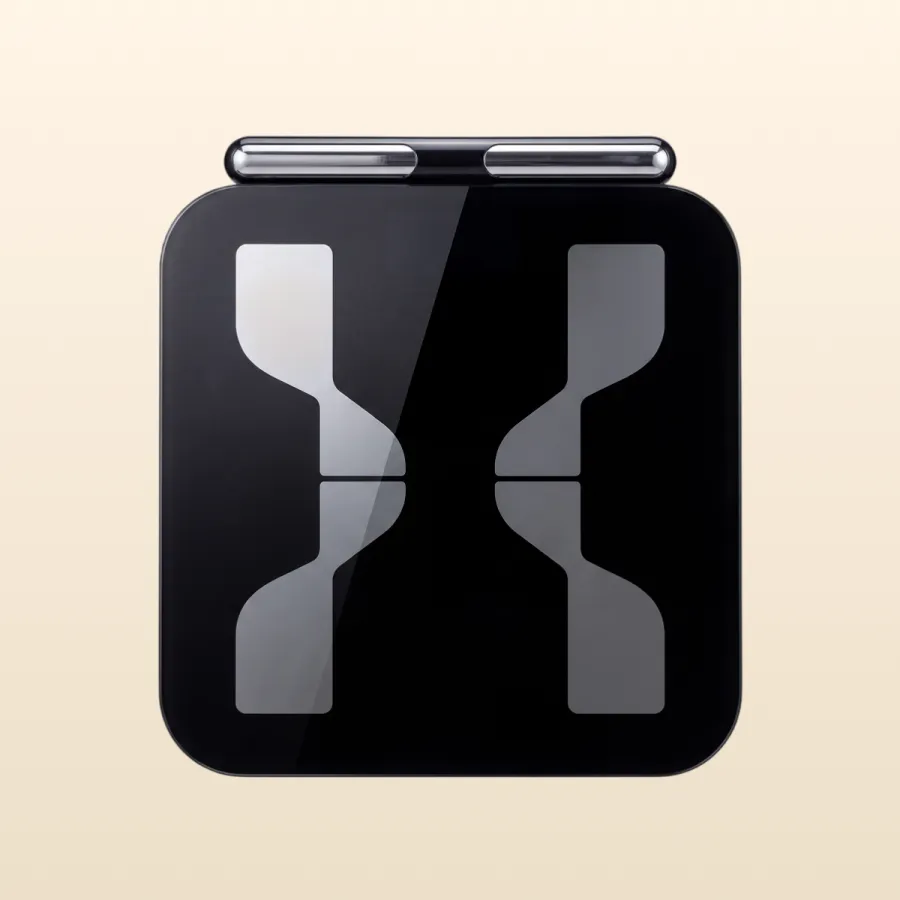
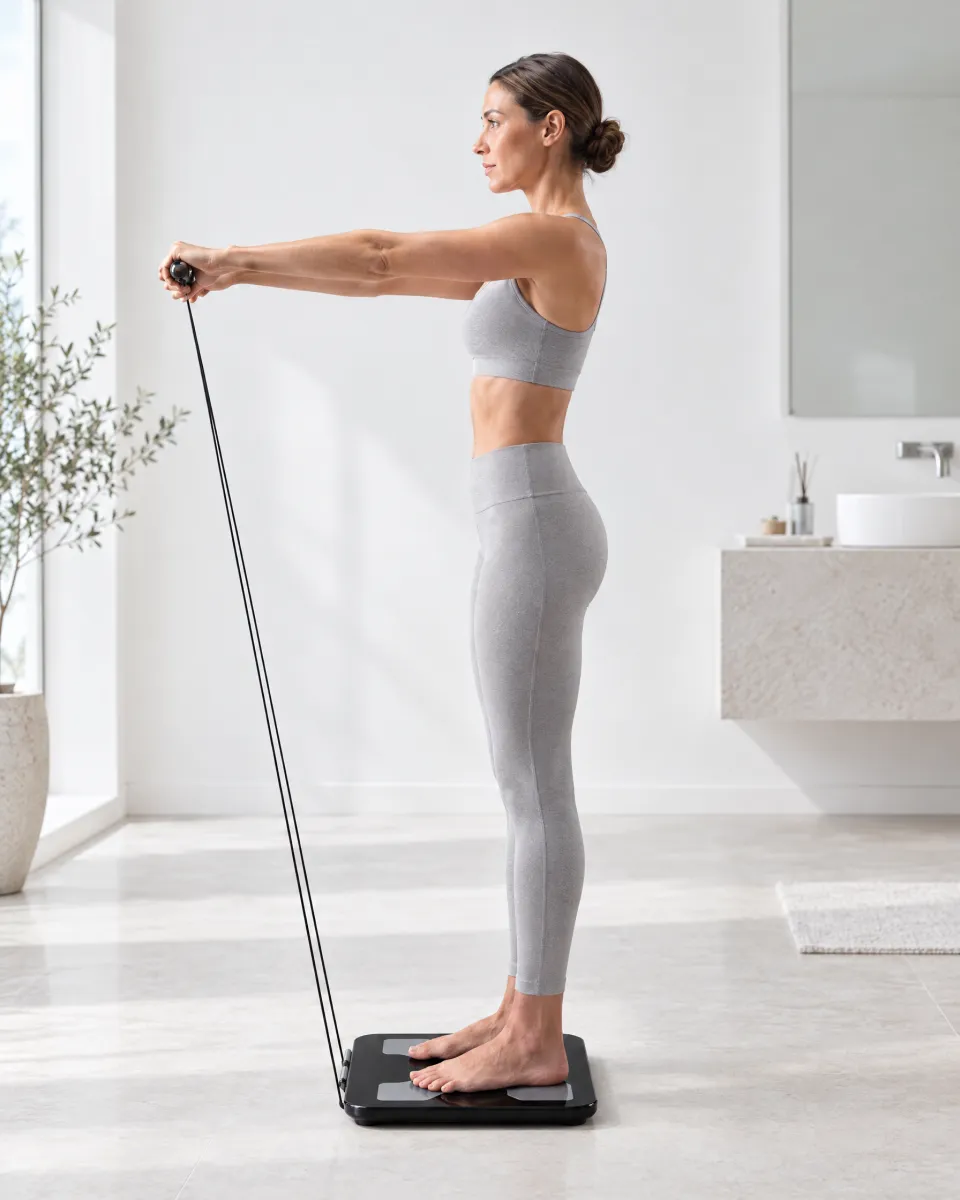
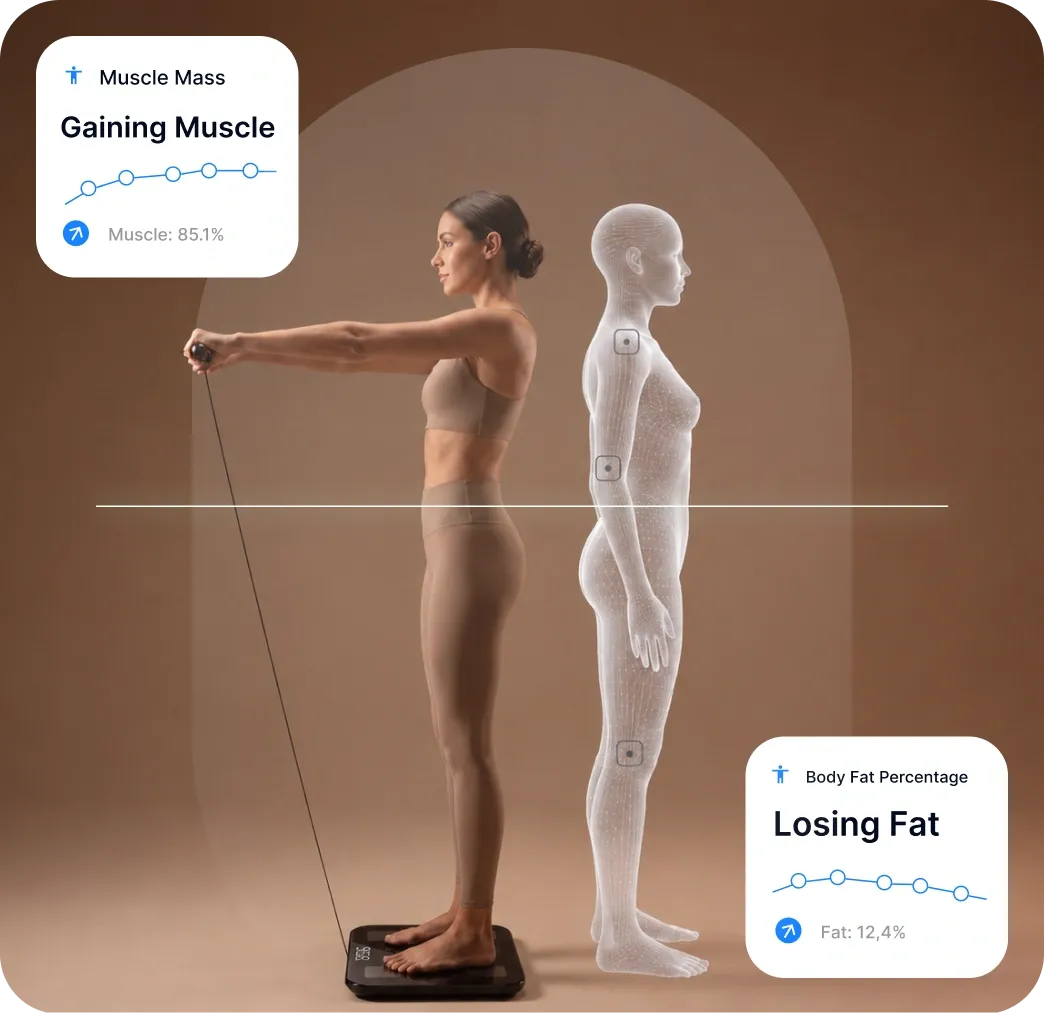
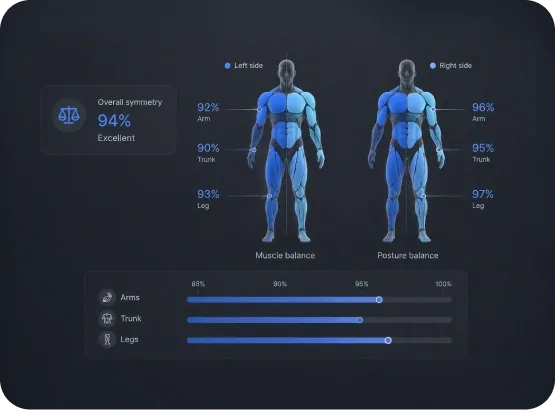
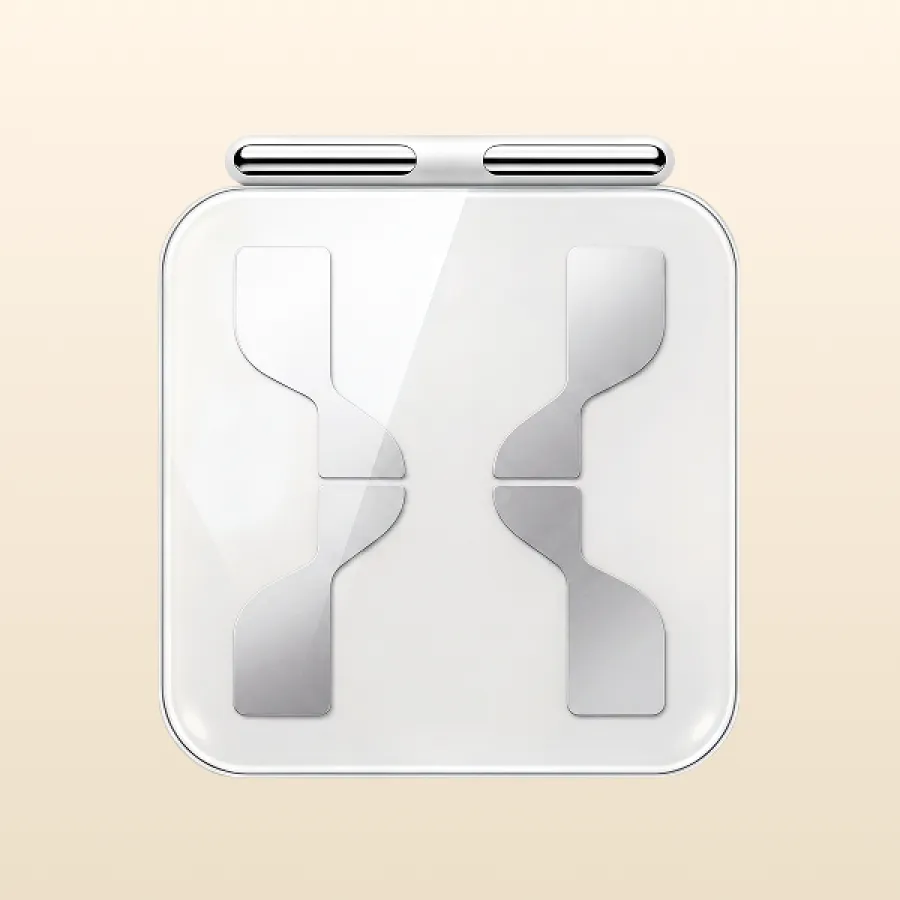
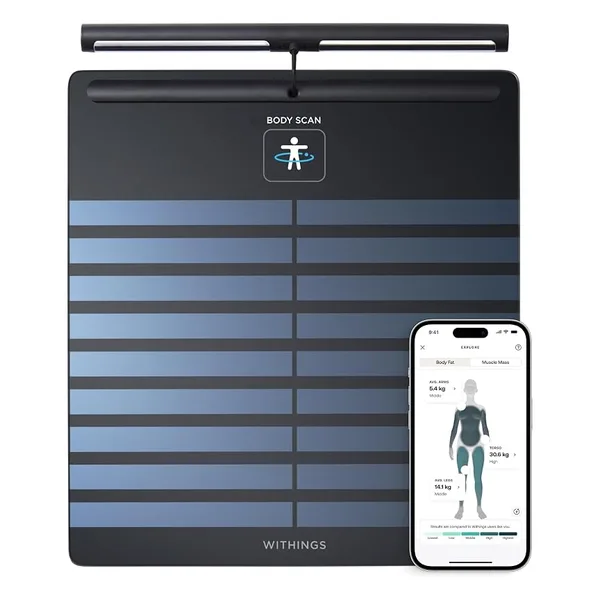 Image: Withings. Original Body Scan shown; BodyScan 2 may differ.
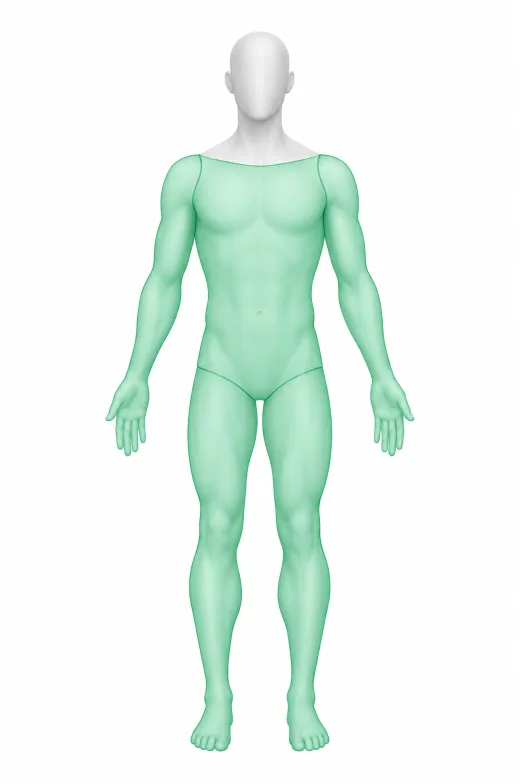 Arms, legs, torso
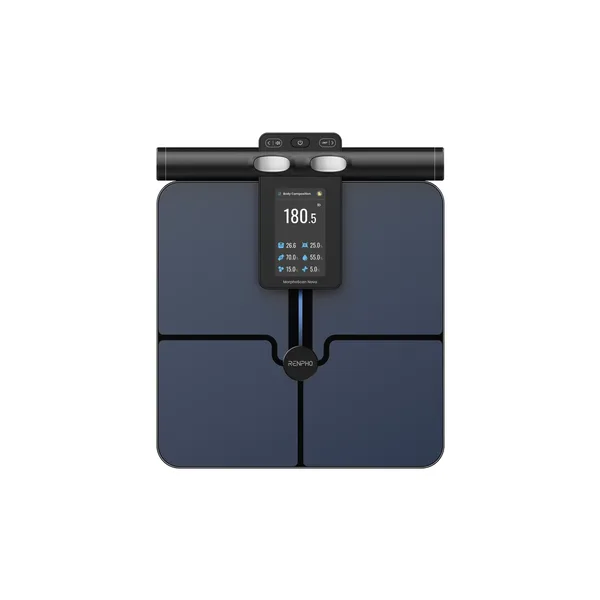 Image: RENPHO.
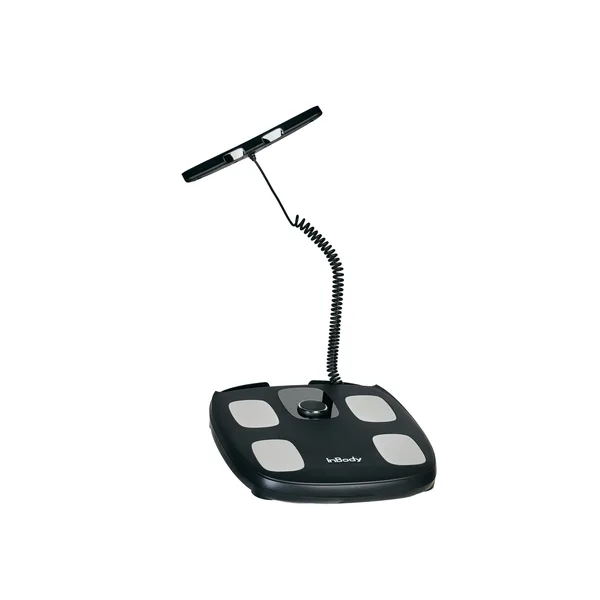 Image: InBody.
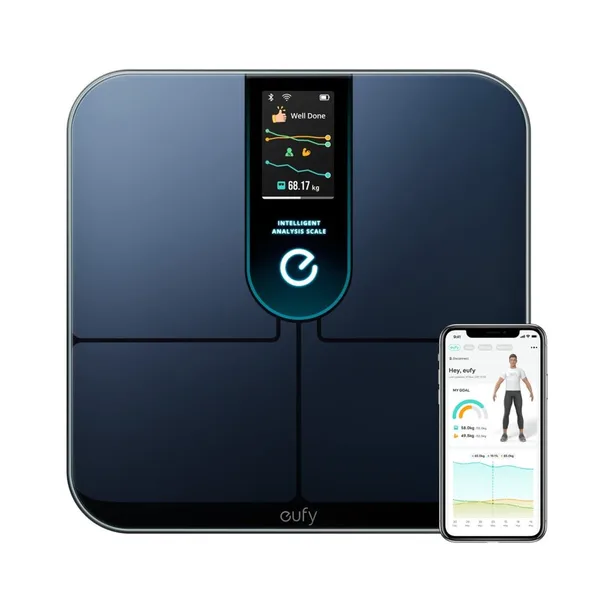 Image: eufy.
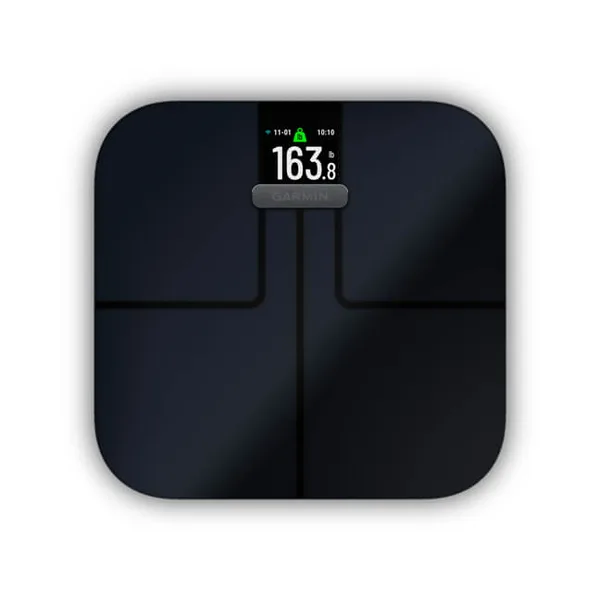 Image: Garmin.